Online Tuition vs Home Tuition vs Academy: What the Evidence Says for Pakistani Students
One-to-one and small-group tuition both work. What research says, where online, home and academy tuition each fit, and how parents in Pakistan can choose.
The short answer
The format matters less than three things: the group is small, the lessons are regular, and the tutor checks the student's own work. Research summarised by the Education Endowment Foundation finds one-to-one tuition adds about five months of progress on average and small-group tuition about four. Online, home and academy tuition can each deliver that.
Watch: how live online tuition works
One way to do online tuition well, in about a minute.
Open this film on its own page →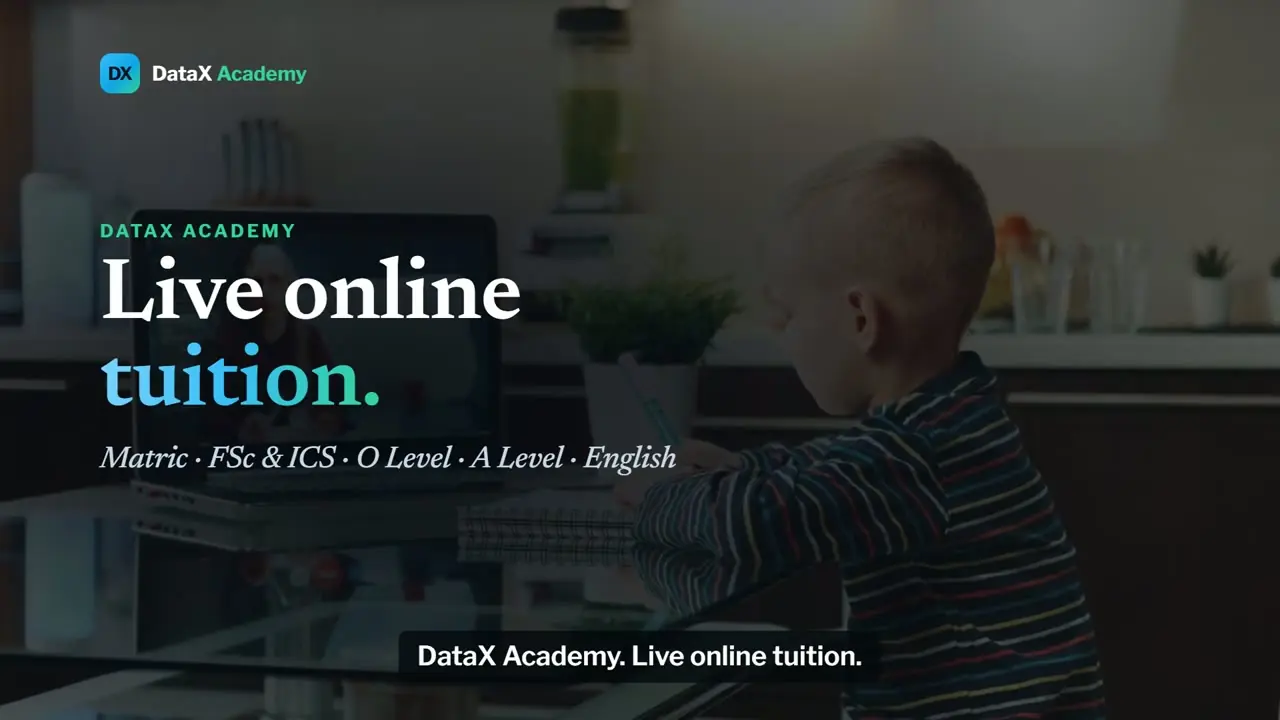
Chapters
Read the full transcript
رات کے آٹھ بجے ہیں۔ میتھس کا ہوم ورک سامنے کھلا ہے، اور گھر میں کوئی سمجھا نہیں پا رہا۔
اچھا ٹیوٹر شہر کے دوسرے کونے میں ہے۔ یا آپ کے شہر میں ہے ہی نہیں۔
اور بیرونِ ملک، آس پاس کے ٹیوٹرز وہ سلیبس پڑھاتے ہی نہیں، جس کا پیپر آپ کے بچے نے دینا ہے۔
تو ٹیوٹر کو اپنی اسکرین پر لے آئیں۔ ڈیٹا ایکس اکیڈمی۔ لائیو آن لائن ٹیوشن۔
ایک اصل ٹیوٹر، لائیو ویڈیو کال پر۔ ریکارڈ شدہ لیکچرز نہیں۔ ایسا ٹیچر جو بچے کو کام کرتے دیکھتا ہے، اور جہاں بات سمجھ نہ آئے، وہیں رک کر دوبارہ سمجھاتا ہے۔
میٹرک، ایف ایس سی، آئی سی ایس، او لیول، اے لیول، اور انگلش۔ ون ٹو ون، یا چھوٹے گروپ میں۔
شروعات بس ایک واٹس ایپ میسج سے: کلاس، بورڈ، اور سبجیکٹ۔ پھر ایک فری اسیسمنٹ کال، تاکہ پتا چلے کہ کمزوری اصل میں کہاں ہے۔
پھر ہفتے کے مقرر دن اور وقت۔ پاسٹ پیپرز، چیک ہو کر واپس۔ اور والدین کو سیدھی رپورٹ، چاہے پڑھائی ٹھیک نہ بھی چل رہی ہو۔
اسلام آباد ہو یا چکوال، کراچی ہو یا گلگت۔ دبئی، ریاض یا دوحہ، شام کے ایسے وقت پر جو دونوں ملکوں کے ٹائم پر ٹھیک بیٹھے۔
گریڈز کی کوئی جھوٹی گارنٹی نہیں۔ بس ایک اصل ٹیوٹر، ایک طے شدہ پلان، اور سچ کہ پڑھائی کیسی جا رہی ہے۔
ڈیٹا ایکس اکیڈمی کو واٹس ایپ کریں۔ +92 336 8455515
The question parents actually ask
Every year, parents in Islamabad, Rawalpindi and smaller cities ask the same thing: should my child go to an academy, should a tutor come to the house, or is online tuition good enough? It is usually asked as if one of the three is simply better.
The research does not support that. It supports something more useful: a short list of conditions that make tuition work, which you can check for any format before you pay.
What the research says
The Education Endowment Foundation, a UK body that reviews education research, summarises the evidence on tuition in its Teaching and Learning Toolkit. Its estimate is that one-to-one tuition adds around five months of additional progress on average over a year, and small-group tuition around four months.
Two details in that evidence matter for parents. First, group size: the benefit is reported to fall away as groups grow, and tuition becomes noticeably less effective at around six or seven students. A "tuition class" of twenty-five is a second school lesson, not tuition. Second, rhythm: short, regular sessions over a sustained period are reported to work better than long, occasional ones.
An honest caveat: most of this evidence comes from in-person tuition in schools abroad, and the research comparing online with in-person tutoring directly is thinner. It tells us what makes tuition work, not that one delivery method wins. Treat any academy, including ours, that claims a guaranteed result with suspicion.
Online tuition: where it fits
Live online tuition, one-to-one or in a very small group, keeps the things the evidence points to: a small group, fixed regular slots, and a tutor who can see and correct the student's working on screen.
- Best for: students from about Class 8 upward who can work at a screen; families far from a good tutor; cities where travel eats the evening.
- Strength: choice. A student in Chakwal or Gilgit can have the same tutor as a student in Islamabad.
- Weakness: it needs a stable connection and a quiet place, and it suits younger children less well.
- Check: is it live, or recorded video? Recorded lectures are not tuition.
Home tuition: where it fits
A tutor at your own table is the oldest format and still the right one for some children.
- Best for: younger children, students who lose focus at a screen, and families who want to see the lesson happen.
- Strength: full attention, and a parent in the next room.
- Weakness: you are limited to tutors who can reach your area, and it usually costs more because the tutor's travel is part of the price.
- Check: does the tutor set and mark written work, or only explain?
Academy tuition: where it fits
An academy gives structure: a timetable, a place that is not home, and other students working toward the same paper.
- Best for: students who work better away from home, and exam-year students who need a routine.
- Strength: structure, and usually the lowest cost per hour.
- Weakness: group size. Ask the number directly.
- Check: how many students are in the group, and will the tutor see your child's own written answers each week?
Five questions to ask before you pay
These apply to every format and every provider.
- How many students are in the group? More than six and it is a class, not tuition.
- Are the days and times fixed each week?
- Which board and syllabus does the tutor teach? Federal Board, Punjab Board and Cambridge are different papers.
- Will written work be set and marked, including past papers?
- How and when will I be told how my child is doing?
Mixing formats
Many families settle on a mix: online during term, when time is short, and in person in the weeks before board exams, when a student needs someone beside them working through past papers. If you choose a provider that offers more than one format, you can change the mix without changing the tutor.
DataX Academy teaches online across Pakistan, and in person at our Blue Area office and at home in Islamabad and Rawalpindi. Message us the class, board and subject and we will tell you plainly which format we think fits, including when the answer is "not us".
Key takeaways
- One-to-one tuition adds about five months of progress on average and small-group about four, according to the EEF's evidence summary.
- The benefit falls away as groups reach six or seven students.
- Regular, fixed sessions beat long occasional ones.
- Online suits older students and families far from good tutors; home suits younger children; academies give structure.
- Ask about group size, board, marked written work and reporting before paying anyone.
Frequently asked questions
Is online tuition as good as home tuition?
For most students from about Class 8 upward it can be, if it is live and one-to-one or a very small group. The research points to group size, regularity and feedback as what matters, rather than whether the tutor is in the room.
How many students should be in a tuition group?
Small. The evidence summarised by the Education Endowment Foundation suggests tuition becomes noticeably less effective at around six or seven students.
Is home tuition better for younger children?
Often, yes. Younger children find it harder to stay focused on a screen, and a tutor sitting beside them can keep the lesson moving.
How many sessions a week does a student need?
It depends on the gap and the subject, but regular fixed sessions matter more than the total hours. Two or three shorter sessions usually beat one long one.
Can we combine online and in-person tuition?
Yes. Many families use online lessons during term and in-person sessions before exams. In Islamabad and Rawalpindi we can do both with the same tutor where the timetable allows.
Sources
Not sure which format fits your child?
DataX Academy teaches online across Pakistan, and in person at our Blue Area office and at home in Islamabad and Rawalpindi. Message us the class, board and subject.